
3.6 Boosting health and Safety Planning

This website puts a large emphasize on Health and safety planning as a main Driver – 8 pages
“The most effective way to carry out your health and safety responsibilities is commitment to planning and preparedness at all stages of the program.”
“Not getting your EHS planning right from the outset can have tragic consequences”.
“An Incident is a result of a failure to carry out comprehensive health and safety planning “.
“A good health and safety performance is no accident“
“All roads must lead to Continuous improvements in quality and performance”.
“1% improvement every week would add up to a 50% improvement in safety performance a year.”
Proactive planning is Looking at the consequences of your planning decisions, has your planning supported your organizations SMS Plan-Do-Check-Act (PDCA) cycle where planning is the essential prerequisite?


Include into your planning processes promoting your brand, improving quality and efficiency giving H&S planning real value.
These pages detail how Mr Bell was able to Plan, Identify, manage, and control hazardous remote operations without incidents with examples and to pass on his hard earned experiences to help fellow professionals who have a mindset for Continuous improvement.
A good safety performance is planned well in advance and supported with effective and detailed management controls like PTW, ICPP’s and check sheet

Summary of Health and Safety Planning Essentials
Establishing Your Health and Safety Policy
– Ensure top management commitment and communication.
– Create a policy that outlines objectives and principles of safety.
Planning for Risk Management
– Identify and assess workplace hazards.
– Have a Safety Management Plan ( page 4 )
– Apply hierarchy of controls: Eliminate, Substitute, Engineer, Admin, PPE.
Assigning Responsibilities
– Define roles from senior leaders to front line workers.
– Clarify the Internal Responsibility System (IRS) at all levels.
Integrating General Duty Clause (GDC)
– Ensure your plan aligns with the GDC requirement to take every reasonable precaution.
Continuous Improvement
– Use inspections, audits, and safety performance metrics.
– Implement corrective actions and review outcomes regularly.
Communicating and Training
– Ensure that procedures, responsibilities, and updates are clearly communicated.
– Provide targeted training to staff, supervisors, and contractors.
Emergency Preparedness
– Maintain up-to-date emergency plans and conduct regular drills.
Reviewing and Updating the SMS Plan – keep it a live document
– Annually review your plan or after significant changes or incidents.
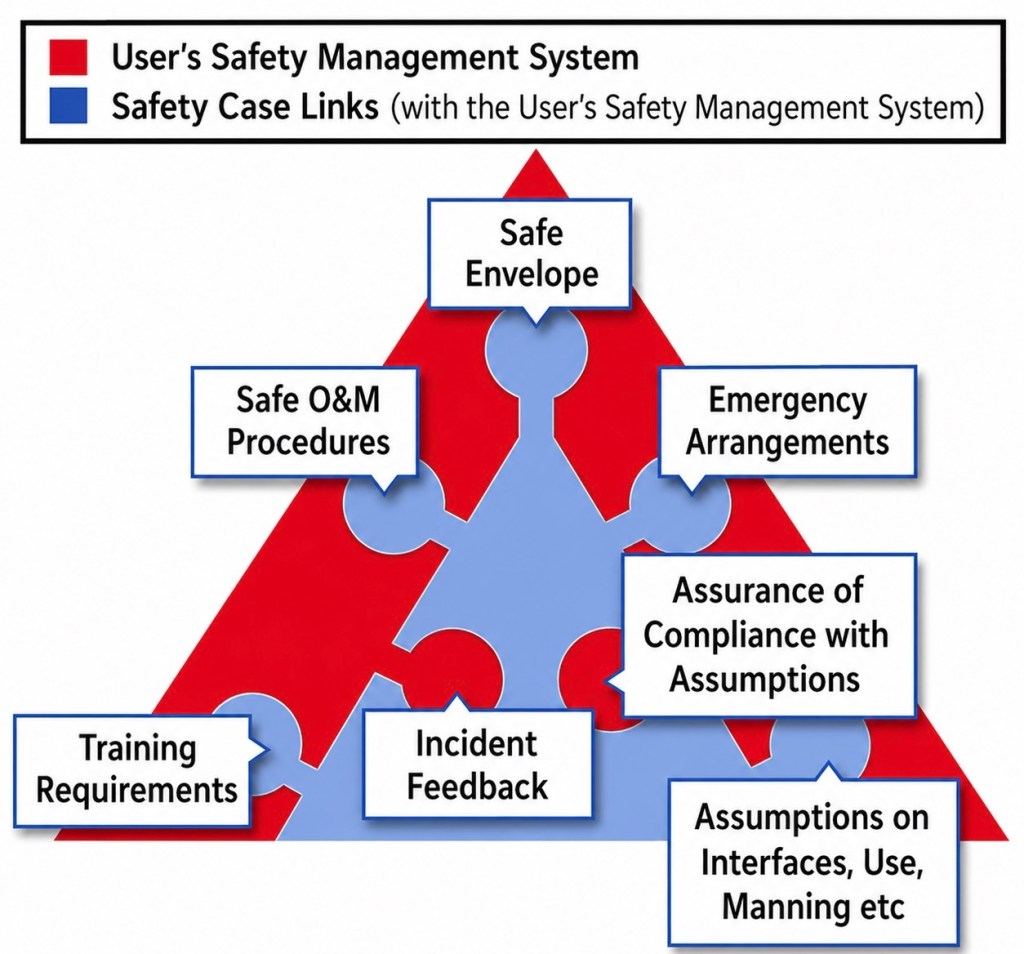
Remember: A well-planned SMS supports safer, integrated more efficient, and compliant workplaces. Having a “Safety Case” strengthens your Proactive approach to safety – see page 3.7

Why Planning Fails
Many incidents occur because:
- Hazards were not identified
- Resources were inadequate
- Equipment was unsuitable
- Time pressures overruled planning
- Supervision was insufficient
- Changes were not reassessed
- Management controls drift over time

AI can help identify hazards, review previous incidents, prepare draft safety plans, identify missing controls, review supervision requirements, and support continuous improvement. However, responsibility for safe planning remains with competent people reviewing and approving the plan.
Formation flying illustrates what can be achieved through good planning and preparedness

Each step has to be well planned in advance.